For centuries, farming has been the backbone of foodproduction, but the methods have evolved into two major approaches: organicand conventional farming. Each comes with its own strengths andchallenges, especially when it comes to vegetables.
Organic farming avoids synthetic fertilizers andpesticides, relying instead on natural compost, crop rotation, and biologicalpest control. Its biggest advantage is that it produces vegetables free fromchemical residues, often richer in nutrients and flavor. However, organicfarming typically yields less, requires more labor, and can be costlier forfarmers and buyers.
Conventional farming, on the other hand, uses modernfertilizers, irrigation, and crop protection techniques to achieve higheryields and meet global food demand. It ensures consistent supply at lowercosts, but concerns about soil health, pesticide use, and sustainability remainimportant challenges.
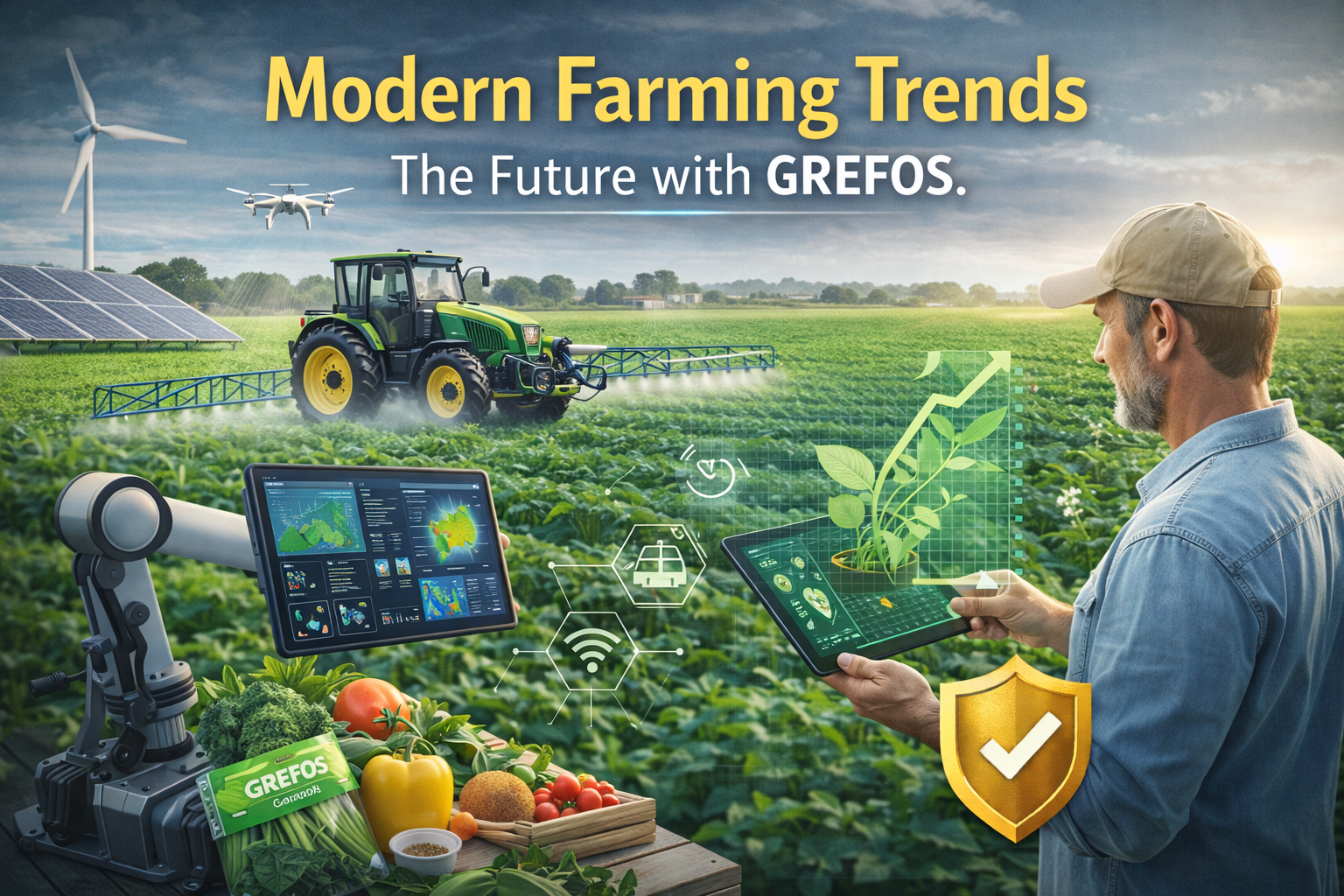
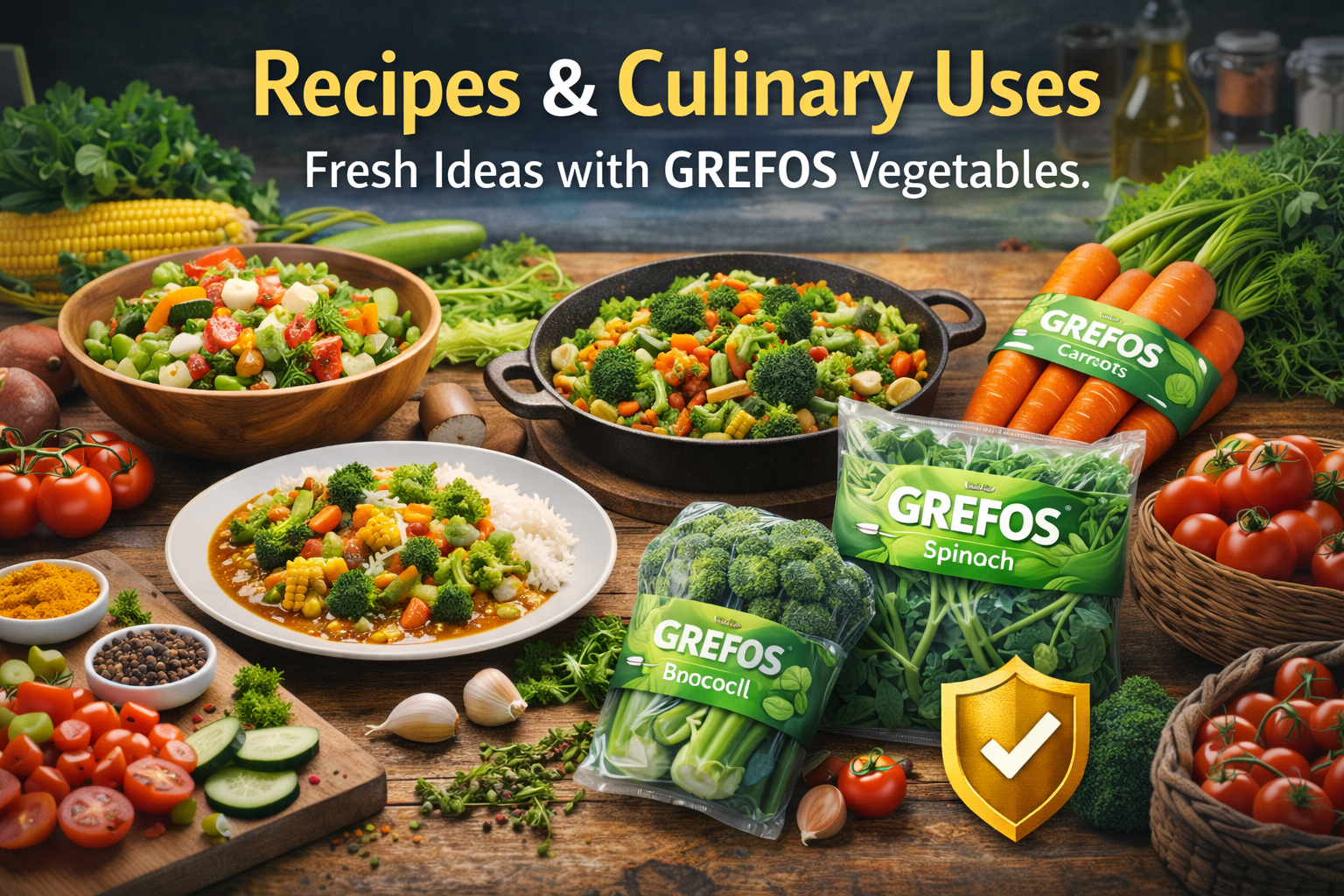
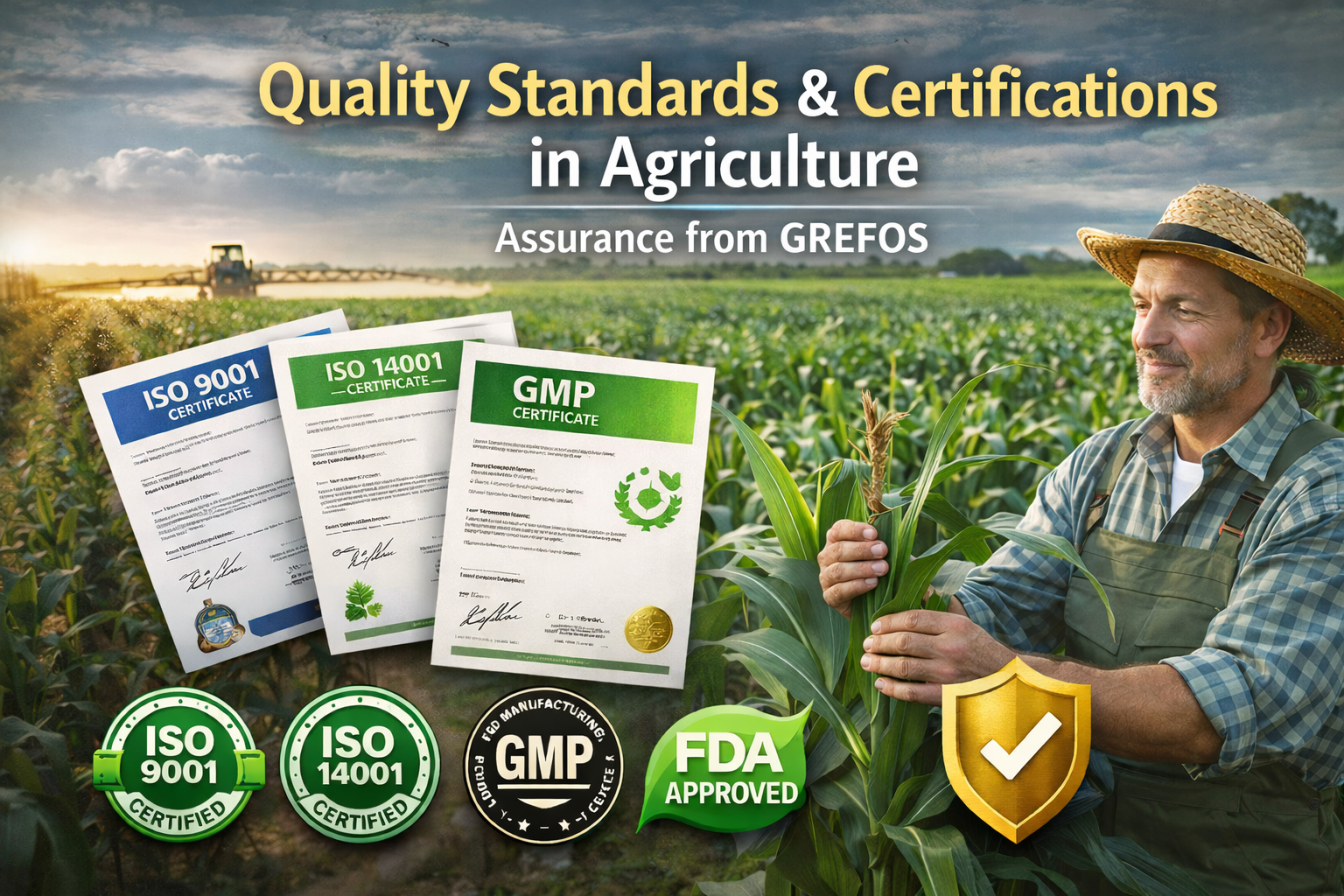
At GREFOS, we recognize the value of both approaches.By working directly with farmers, we encourage eco-friendly practices whilealso ensuring that conventional farming meets global standards for food safety.Our role is to balance quality, affordability, and sustainability so thatglobal buyers receive the freshest vegetables possible. For GREFOS, the goal isclear: healthy farming, healthy vegetables, and a healthier world.